
Services
01
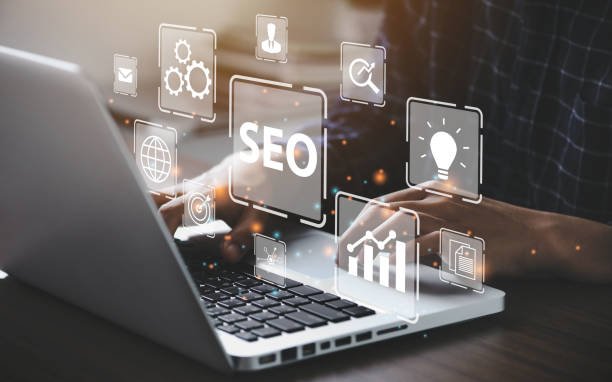
SEO (Search Engine Optimization)
Word Counter SEO, or Search Engine Optimization, is the act of enhancing a site so that it ranks higher in search engines such as Google, thereby enabling users to access information, products, or services as easily as possible. It is comprised of using appropriate words, creating eye-catching content, as well as structuring the site appropriately so that search engines can recognize its intent.
In addition, SEO concentrates on technical SEO elements as well as off-page SEO aspects, which entail aspects such as rapid site speed, mobile-friendliness, secure browsing, as well as high-quality backlinks. In effect, all these aspects increase the general user experience as well as trust on the online platform, hence allowing businesses to grow without expensive ads.

02
SMM (Social Media Marketing)
Social Media Marketing, or SMM, is a process that involves the use of different social media platforms like Instagram, Facebook, LinkedIn, Twitter, etc., for brands, products, or service promotions. SMM mainly focuses on the creation of engaging content and building strong online presence for the business and to connect with the target audience by creating posts through different mediums. SMM helps businesses to reach the maximum possible audience and allows the business to communicate with the customers in a very personal and interactive way.
SMM also encompasses a number of different strategies, which involve paid advertising, the targeting of audiences, tracking, and messaging. Through a number of social media marketing strategies, businesses are able to optimize their campaigns by use of data that involves reach, engagement, and conversions that help them further in yielding better results. Successful social media marketing therefore helps businesses build trust, drive more website traffic, and grow their businesses in today’s world.
03
Contant Marketing
‘Content marketing’ is a marketing concept that involves a strategic approach to content creation and distribution with a particular focus on creating and sharing content that is valuable, relevant, and consistent with a target audience. In content marketing, instead of promoting products or services directly to users, content creators focus on educative content such as blogs, videos, emails, infographics, and entertaining content such as social media posts.
By providing appropriate content at the appropriate stage of the customer’s journey, a company can promote lead generation, search engine optimization, and building customer relationships. Good quality content will encourage audience participation, which will increase brand awareness and ultimately contribute to business success through conversion from prospects to loyal customers.

With our skilled specialists in digital marketing your business success can elevate to the next level. We will assist you in building your business and will help you reach your target audience and will deliver quantifiable results.Choose our services to experience real growth, real strategy, and real results for your business. Get started today!